
发布日期:2026-02-23 14:21 点击次数:130
编者按:在中外文化交流的稠密叙事中,最动东谈主的场景往来去自那些细微处。当不同文化布景的东谈主以诚笃的姿态相会,文化的传播便不再仅仅单向的输出。在这场擢升国界的对话中,每个参与者齐能以我方私有的视角明白文化、传递文化。就像一粒石子进入湖面,个东谈主的文化体验能激起层层飘荡,将明白与共识扩散至更远的方位。来自白俄罗斯的萨沙和玛琳娜,恰是这么的“文化小大使”。她们通过一盏清茶品味中国文化,又将幽幽茶香带回故土,向九故十亲证据我方在中国的故事。
“我很心爱喝茶,中国的茶卓绝好喝。”谈及茶文化时,15岁的萨沙(Vasileuskaya Aliaksandra)眼里闪着光。不久前,她和玛琳娜(Paliakova Maryna)刚刚体验了中国茶谈,其丰富的文化内涵让萨沙倍感新奇:“我在白俄罗斯也心爱喝茶,但中国的茶和喝茶时的礼节愈加私有。”玛琳娜补充谈:“在中国喝到的茶更淡也更苦,然则缓缓喝下去,能感受到一点甜意。憨厚告诉咱们,这叫‘先苦后甜’。”萨沙不时说:“咱们还看到师父饰演泡茶,他的身手额外复杂,令东谈主奖饰。”她们照旧迫不足待地想与家东谈主和一又友共享中国的茶文化,“我以为他们会心爱的!”玛琳娜充满期待地说。
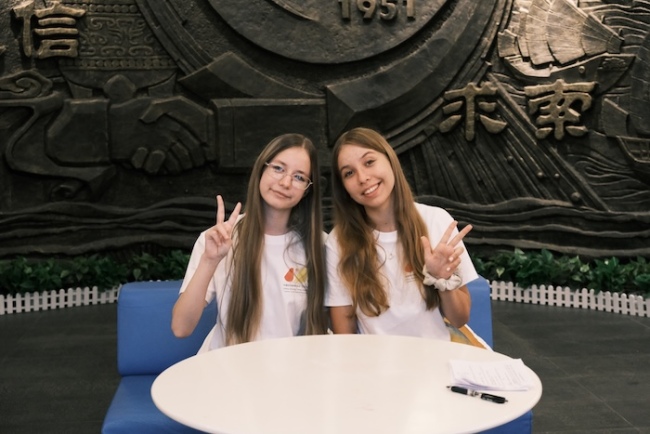
图为玛琳娜(左)和萨沙(右)罗致采访现场
事实上,中白之间的茶缘并非始至本日。早在16世纪,中国茶叶便已传入白俄罗斯。到了17世纪后期,饮茶之风照旧普及到社会的各个阶级。一些家庭心爱用中国的陶瓷茶具,这些茶具的样式与中国茶壶相似,花色也多为中国式东谈主物、树木和花卉。但在壶身的狡计上,又多流线形纹路,具有显著的欧洲特质。在永恒的饮茶扩展中,白俄罗斯东谈主变成了我方私有的饮茶风气:他们偏疼高浓度的红茶,并风气加入无数的糖或果酱。因此,当萨沙与玛琳娜在中国茶席上看到茶师的精熟身手,品味到“淡而隽永”的东方茶时,才会以为额外新奇,也额外想把这种体验讲给家东谈主一又友听。

图为俄式红茶
“茶。香叶,嫩芽。慕诗客,爱僧家。”方寸茶席之间,中中文化的线索在氤氲的水汽间缓缓暴露。从茶马古谈上的马蹄阵阵到海上丝绸之路的帆影重重,这种神奇的东方树叶曾代表中国文化走向寰宇。
如今,两位异邦“小大使”将个东谈主体验化作交流内容,使得茶再一次成为两种文化调换的桥梁。她们的共享,不仅传播了中国茶谈文化,也为我方国度的一又友更进一步了解中中文化盛开了一扇窗。深信,通过他们的刻画,东方的茶谈褪去了他乡的高明面纱,回首到最本的确情景。在他们的交流中,中国茶谈不再仅仅高明的东方鲜艳,天博体育而是融入活命的确切体验;西方饮茶风气也不再是唐突的他乡印象,而是另一种活命颖慧。正本对待解除派叶子,东谈主类不错发展出如斯不同却又各自成趣的活命形态。
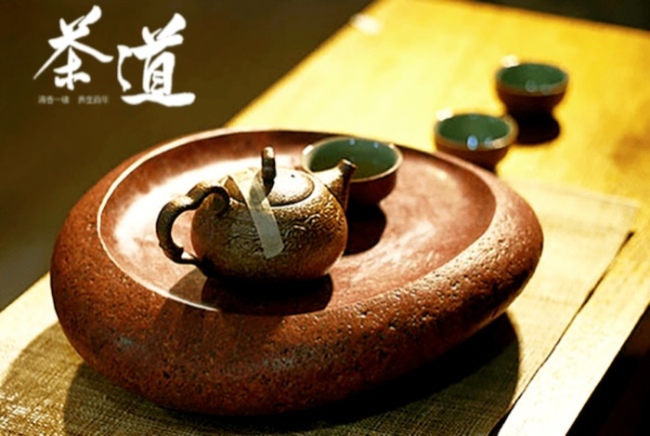
图为中国茶谈
在中国文化里,茶不仅是一种饮品,更承载着“和、敬、清、寂”的东方哲想:和,是东谈主与自然的和洽;敬,是待东谈主接物的礼数;清,是心情的清晰;寂,是内心的拖拉。一次品茶,实质上亦然一次心灵的对话。在白俄罗斯,相通有悠久的饮茶传统,但更强调激烈与外交氛围。而中国茶谈的缓慢、含蓄与内敛,则展现了如文东谈主清者般“修身”的活命颖慧。正因如斯,当萨沙与玛琳娜体验中国茶时,她们才智机敏地感受到其中“不同寻常”的气味。
文化的交流,往往始于意思意思,成于共识。在此次采访中,茶成为擢升国界的纽带。关于两个白俄罗斯青娥而言,这份体验不仅让她们明白了中国文化的精良与深刻,也让她们有了带回家乡的新话题。更进军的是,她们的证据自己,等于文化互鉴的一部分——通过她们的声息,中国茶文化正悄然传入更稠密的寰宇。
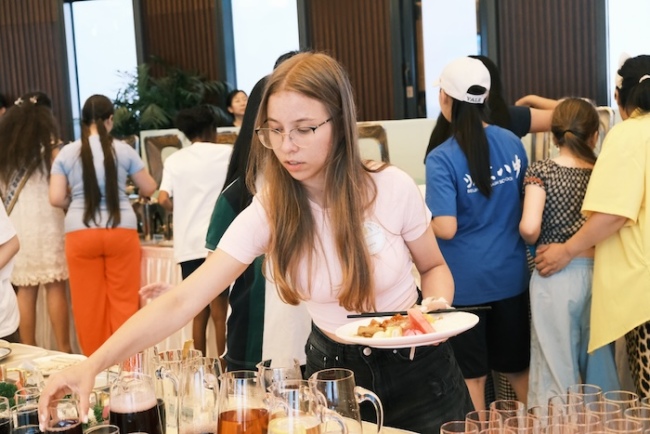
图为萨沙在中国印象·沙龙活动现场
信得过有用的文化传播,从来不是唐突的说话交换,而是涉及互相心灵的对话。从“喝茶”到“懂茶”,再到“精练共享茶”,这份由表及里的体验,恰巧体现了端淑交流的旅途。一盏茶,让寰宇看见中国,也让中国看到寰宇。这么的交流自然细微,却能在青少年的心田埋下明白与友谊的种子。已往,当这些种子生根发芽,便会化作擢升国界的明白与共情。他们用躬行的体会,让概述的文化成见变得可触可感,为文化的交流互鉴赋予生命的厚度。
一茶一生界,一味一东谈主生。当个体以诚笃的姿态拥抱他乡文化,便自然化身成为端淑对话的自然使臣。他们告诉咱们:端淑互鉴不是要消弭各异,而是在明白各异的经由中,让不同端淑兴盛新的光彩。咱们期待有更多像萨沙和玛琳娜一样的文化使臣来到中国,带着对中国文化的知晓体悟,将东方文化的精髓传向寰宇。当茶香擢升国界,当故事世代相传,东谈主类端淑恰是在这么诚笃的交流中不休焕新。萨沙和玛琳娜的体验告诉咱们:端淑互鉴并非远方的稠密叙事,而是从每一次知晓的感知和共享运行。恰是这些微小却确切的一刹,组成了咱们共同书写的端淑新篇章。
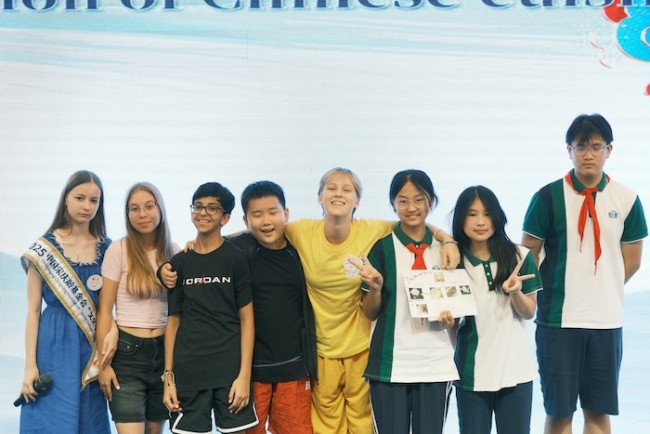
图为玛琳娜(左1)和萨沙(左2)在中国印象·沙龙活动现场
撰稿东谈主:何博媛
The Enduring Allure of Tea: From Personal Experience to Mutual Learning Among Civilizations
Editor's Note: In the grand narrative of cultural exchange, the most touching moments often come from the subtle details. When people from different cultural backgrounds meet with genuine sincerity, cultural transmission ceases to be a one-way street. In this cross-border dialogue, every participant can use their unique perspective to understand and convey culture. It's like a pebble dropped into a lake—a personal cultural experience can create ripples, spreading understanding and resonance to distant shores. Sasha and Maryna from Belarus are perfect examples of these Junior Cultural Ambassadors. They savored Chinese culture through a cup of tea and then brought its delicate fragrance back to their homeland, sharing their stories of China with friends and family.
"I love drinking tea, and the tea in China is especially delicious." Speaking about tea culture, 15-year-old Sasha (Vasileuskaya Aliaksandra) had a sparkle in her eyes. She and Maryna (Paliakova Maryna) had just experienced a Chinese tea ceremony, and its rich cultural depth made Sasha feel incredibly fascinated. "I also like to drink tea in Belarus, but the tea and the rituals for drinking it in China are much more unique." Maryna added, "The tea I drank in China was lighter and more bitter, but if you sip it slowly, you can taste a hint of sweetness. The teacher told us this is called 'bitter before sweet.'" Sasha continued, "We also watched a master perform the tea ceremony; their technique was very intricate and amazing." They couldn't wait to share Chinese tea culture with their families and friends. "I think they will love it!" Maryna said with anticipation.
In fact, the tea-steeped connection between China and Belarus has a long history. As early as the 16th century, Chinese tea was introduced to Belarus. By the late 17th century, tea-drinking had become popular among all social classes. Some families enjoyed using Chinese ceramic tea sets, which were similar in style to Chinese teapots, with patterns of Chinese figures, trees, and flowers. However, the teapots were often designed with flowing lines, giving them a distinctly European character. Through a long history of tea-drinking, Belarusians have developed their own unique habits: they prefer high-concentration black tea and are used to adding a large amount of sugar or jam. Therefore, when Sasha and Maryna saw the exquisite skills of the tea master and tasted the "light yet flavorful" Oriental tea, they found it particularly novel and felt a strong desire to share this experience with their families and friends.
"Tea. Fragrant leaves, tender buds. Admired by poets, cherished by monks." Within the small tea ceremony space, the threads of Chinese culture gradually become clear through the misty steam. From the constant thud of hooves on the Ancient Tea-Horse Road to the silhouettes of sails on the Maritime Silk Road, this magical Eastern leaf once represented Chinese culture as it traveled the world. Today, these two foreign "mini-ambassadors" have transformed their personal experiences into a form of cultural exchange, making tea a bridge for communication between two cultures once again. Their sharing not only spreads Chinese tea culture but also opens a window for their friends in Belarus to better understand Chinese culture. Through their descriptions, the Eastern tea ceremony sheds its veil of exotic mystery, revealing its most authentic state. In their exchange, Chinese tea is no longer a symbolic ritual but a real, lived experience; Western tea customs are no longer a simple foreign impression but another form of life's wisdom. It turns out that for the same leaf, humanity can develop such different, yet equally fascinating, ways of life.
In Chinese culture, tea is more than just a beverage; it embodies the Eastern philosophy of "harmony, respect, purity, and tranquility." Harmony is about balance between people and nature; respect is for proper etiquette; purity is a clear state of mind; and tranquility is inner peace. A tea tasting is, in essence, a dialogue of the soul. In Belarus, there is also a long tradition of drinking tea, but it's often more focused on a lively and social atmosphere. The slow, subtle, and reserved nature of the Chinese tea ceremony, however, reflects the life wisdom of "self-cultivation" found in classical scholars. It is precisely for this reason that Sasha and Maryna were able to keenly sense the "unusual" atmosphere within their Chinese tea experience.
Cultural exchange often begins with curiosity and matures into empathy. In this interview, tea served as a cross-border bond. For the two Belarusian girls, this experience not only helped them understand the subtlety and profoundness of Chinese culture, but also gave them a new topic to bring back home. More importantly, their very act of sharing is part of cultural mutual learning—through their voices, Chinese tea culture is quietly reaching a wider world.
Truly effective cultural transmission is never a simple exchange of words but a dialogue that touches the soul. The journey from "drinking tea" to "understanding tea," and then to "willingly sharing tea," perfectly illustrates the path of civilizational exchange. A single cup of tea allows the world to see China and China to see the world. This type of exchange, though subtle, can plant seeds of understanding and friendship in the hearts of young people. In the future, when these seeds sprout, they will grow into cross-border understanding and empathy. Through their personal experiences, they make abstract cultural concepts tangible, giving depth to life to the mutual learning between cultures.
One tea, one world; one flavor, one life. When individuals embrace a foreign culture with sincerity, they naturally become natural ambassadors for civilizational dialogue. They show us that mutual learning among civilizations is not about eliminating differences, but about allowing different civilizations to radiate with new splendor through the process of understanding these differences. We hope that more cultural ambassadors like Sasha and Maryna will come to China, pluck a wisp of its tea fragrance, and let stories about China go out into the world. As the scent of tea crosses borders and stories are passed down through generations, human civilization is continuously renewed through such sincere exchanges. Sasha and Maryna's experience tells us that mutual learning among civilizations is not a distant grand narrative, but starts with every authentic perception and sharing. It is these small but real moments that form the new chapter of civilization written together by all of us.
 备案号:
备案号: